
The Importance of Water Heater Maintenance
- Ashley Goodwyn

- Jul 30
- 2 min read
Water heaters are essential appliances in our homes, providing hot water for various needs. However, like any mechanical device, they require regular maintenance to operate efficiently and last longer. Neglecting maintenance can lead to reduced efficiency, higher energy bills, and even costly repairs or replacements.
Why Maintenance Matters
Energy Efficiency: A well-maintained water heater operates more efficiently, which can significantly lower your energy bills. Sediment buildup at the bottom of the tank can insulate water from the heating element, causing the heater to work harder.
Extended Lifespan: Regular maintenance can extend the lifespan of your water heater. Most units last around 8-12 years, but with proper care, they can last even longer.
Safety: Malfunctioning water heaters can pose safety hazards, including leaks or even explosions in extreme cases. Routine checks can help identify issues before they escalate.
Quality of Water: Sediment and mineral buildup can affect the quality of the hot water you use. Regular flushing helps ensure clean, healthy water.
How to Maintain Your Water Heater




Regular Flushing: At least once a year, flush your water heater tank to remove sediment buildup. This process involves turning off the heater, connecting a hose to the drain valve, and allowing the water to run out until it runs clear. This helps maintain efficiency.
Check the Anode Rod: The anode rod is a critical component that prevents corrosion inside the tank. Check it every 1-2 years; if it’s heavily corroded, replace it to prolong the tank's life.
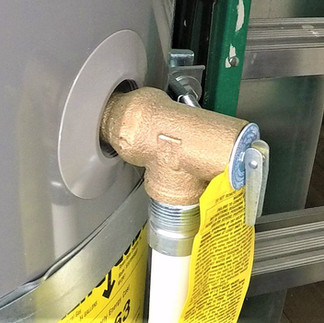
Inspect the Pressure Relief Valve: This valve prevents excessive pressure from building up inside the tank. Test it annually by lifting the lever. If water flows out and then stops, it’s functioning correctly. If not, it may need replacement.
Check Temperature Settings: Set your water heater temperature to 120°F (49°C). This not only saves energy but also reduces the risk of burns and scalds.
Look for Leaks: Regularly inspect the area around your water heater for any signs of leaks or moisture. Early detection can prevent more significant issues.
Professional Inspection: Consider scheduling a professional inspection every few years. A technician can spot potential problems that you might miss and ensure all components are functioning correctly.
Conclusion
Maintaining your water heater is crucial for efficiency, safety, and longevity. By following these tips, you can ensure your water heater remains efficient and safe, providing reliable hot water for years to come. If you do not feel comfortable with any of these steps many plumbers offer water heater maintenance services.


Comments